Can You Paint Asphalt Shingles?

Asphalt shingles are by far the most popular roofing material available on the market today. Two factors play a huge role in this: their affordability and the range of styles they offer. But as they age, asphalt shingles are known to fade or lose their color. When this happens, homeowners may ponder this question: can you paint asphalt shingles?

While the answer to this question is technically yes, you can paint them, is it the right thing to do? Maybe not. A lot of things factor into this, and today we will be taking it all into consideration in the following sections.

What Are Asphalt Shingles Made Of?

Before we tackle the question of painting them, it’s crucial to understand the structure of asphalt shingles. These shingles consist of a fiberglass or organic mat coated with asphalt and embedded with ceramic granules. The granules serve multiple purposes, including protecting the asphalt from UV rays and enhancing the aesthetic appeal of the roof.
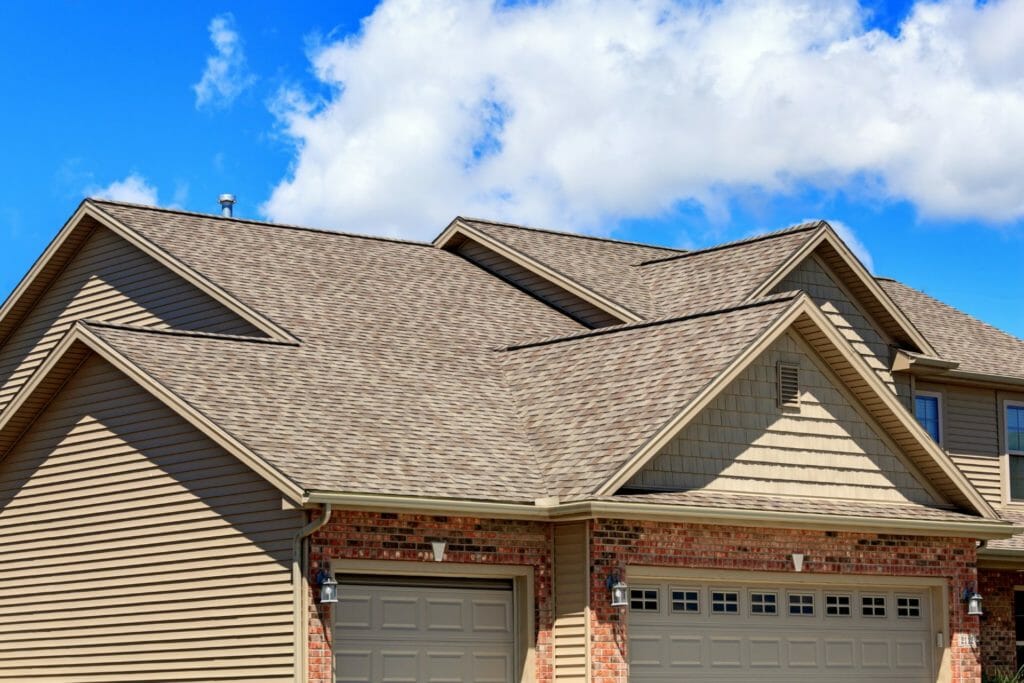
Why You Should Not Paint Asphalt Shingles?

As we covered above, the question of painting asphalt shingles involves many considerations. Though painting your shingles might seem an attractive idea to improve the look of your roof without having to spend a load of money on repairs and a replacement, the truth is that painting asphalt shingles will cause more harm than good. Here are a few reasons why:

Painting Shingles Can Void Their Warranty

Installing a new roof or replacing a roofing material are both quite expensive and time-consuming. This is why many manufacturers bring good warranties to the table, offering you peace of mind. However, when you paint your asphalt roof shingles, there is a chance you will lose the warranty.

Most asphalt shingle manufacturers explicitly state in their warranty policies that painting the shingles will void the warranty. Leading brands often offer warranties between 20 and 50 years for manufacturing defects on their shingles. But if you paint them, your warranty goes out the window. This means that if any issues arise with your roof in the future, you won’t be able to rely on the manufacturer’s warranty for coverage.

Painting Can Cause Additional Damage

Sure, you may think that painting your asphalt shingles can improve curb appeal. However, with this comes a lot of other considerations, too. Correctly applying paint to asphalt shingles requires specific preparation and techniques. If done incorrectly, the paint may peel, crack, or bubble in a short span of time.

This can compromise not only the shingles underneath but also the overall integrity of the roof in the long run. This can also dim its appearance, which defeats the purpose altogether. It’s essential to approach any roofing project with care to ensure lasting results and avoid costly repairs down the line.

It Can Affect The Overall Performance Of Your Roof

Asphalt shingles are engineered to endure various weather conditions that are prevalent in Georgia. However, applying paint to these shingles can interfere with their natural ability to repel water and wind. The upper layer of your roof shingles is coated with granules, which give them their color and protective qualities. But when you apply paint to the shingles, this layer will likely become ineffective and start to wear off.

This interference may lead to premature deterioration of the shingles, leaving your roof vulnerable to leaks and other water-related issues. It’s crucial to prioritize the functionality of your roof and avoid any practices that could compromise its ability to safeguard your home effectively.

Can You Paint Other Roofing Materials?

While some roofing materials like metal and wood can be painted or stained with proper preparation and the right products, others, like tile and asphalt shingle roofs, are generally not recommended for painting due to several issues.

It’s important that you consult with a professional roofer and follow manufacturer guidelines before attempting to paint any roofing material to ensure the best results and avoid costly problems in the future.

Instead of painting your asphalt shingles, consider these alternatives to enhance the appearance of your roof and increase your home’s curb appeal:

Roof Cleaning:

Over time, algae, moss, and dirt can accumulate on your asphalt shingles, making them appear dull and discolored. Hiring a professional roof cleaning service can remove these contaminants and restore the natural beauty of your roof.

Replacement or Repair:

Every roofing material has a certain lifespan, beyond which they do not perform well. For asphalt roof shingles, this lifespan is around 20 to 25 years. While some homeowners may paint their roof in order to hide issues or signs of aging, this does not fix the problems and they will likely worsen beneath the paint.

So if your asphalt shingles are old or damaged, consider replacing them with new ones to improve the overall look of your roof. Alternatively, if only a few shingles are damaged, you can opt for repairs instead of a full replacement.

Also Read: How Much Does Roof Repair Cost In Georgia?

Roof Coating:

Instead of paint, consider applying a specialized roof coating designed specifically for asphalt shingles. These coatings can protect against UV rays, water damage, and mold growth without compromising the performance of your roof.

What’s Next For Your Asphalt Shingle Roof?

Painting asphalt shingles is not recommended, as doing this can lead to costly damages and can void the warranty that comes with the roofing materials. Instead of taking this risk, we advise you to be vigilant when it comes to maintaining your roof and properly inspect and repair it when needed.

If your shingles are heavily damaged, then it’s time for you to replace them. At Division Kangaroof, we have a team of experienced roofing contractors in Georgia. We offer the best and the most efficient roof replacement services in the area. Contact us today at (706) 903-9301.

Best Materials For Your Soffit & Fascia: Choosing The Perfect One

Thunderstorms, hail, and rain, all are common in Georgia. So, homeowners in the area need to stay extra vigilant when it comes to protecting their homes and roofs. While many people focus on aspects like roofing materials and siding, they tend to forget the importance of other components such as the soffit and fascia.

Both these parts of your roofing system play crucial roles in protecting your property against harsh weather and other elements, but they are quite underappreciated.

In fact, most of the homeowners we meet still can’t figure out exactly what these parts of a roof actually do. Seeing so many questions, we decided to cover what both the fascia and soffit are, and what materials are available to you as these components also significantly impact the overall appearance of your home.

What Is A Soffit?

To know where the soffit is located in your home, you need to know some things about the roof overhang. A roof overhang is the part of a roof that extends out past the walls of a building, sometimes offering minimal shade.

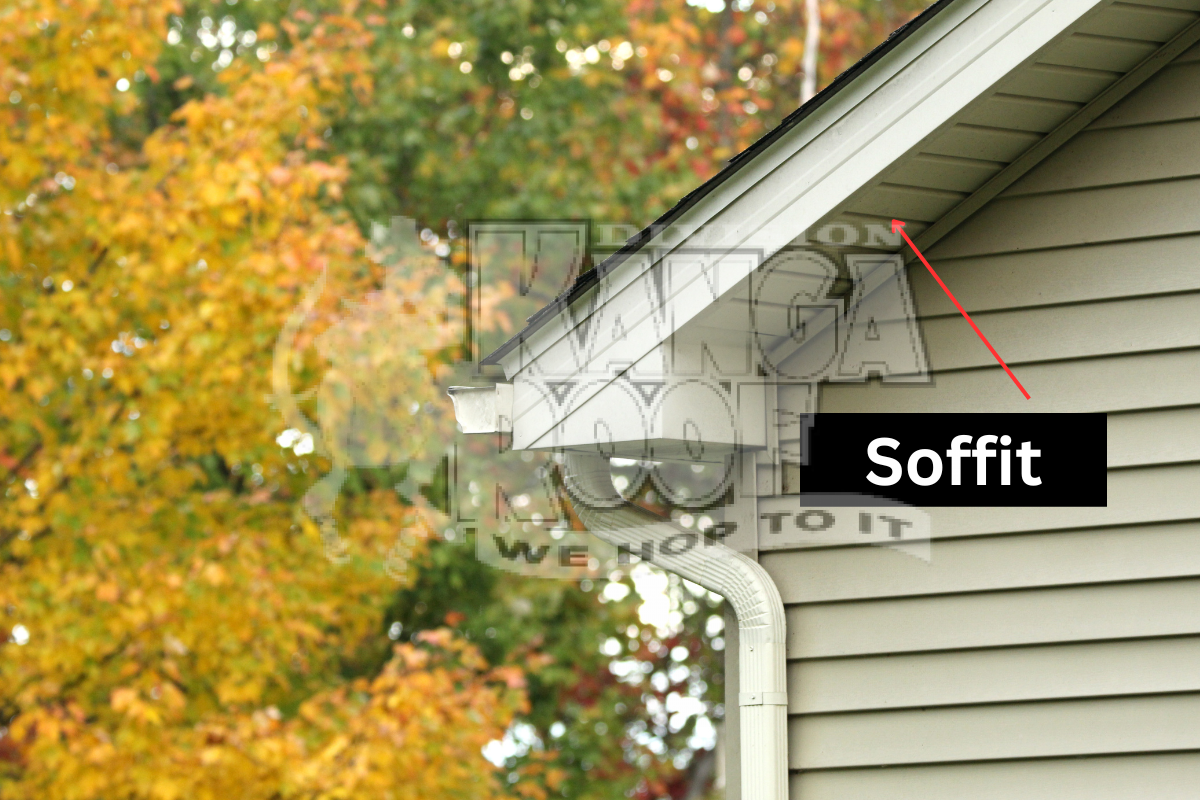
A soffit is used to cover the underside of a roof overhang (roof extension). Simply put, it is the covering underneath the roof eaves. There it serves several important functions, including providing ventilation for the attic of your property and protecting the underlying structure, such as the rafters and trusses,  from moisture damage.

There are two types of soffits: vented and non-vented.

Vented Soffits:

These have small openings or perforations that allow air to flow into your home’s attic, promoting proper attic ventilation, which is essential for removing excess heat and moisture.

The holes or gaps in the soffit will allow for an intake of air that is sent through your home, pushing the hot air to the attic. This is why vented soffits are sometimes also known as intake vents. The hot air that got pushed to the attic will then be ventilated out through the ridge vent, or other vents in your roofing system.

This flow of air helps prevent issues such as condensation and even ice dams, and it can also extend the life of the roof

Non-vented Soffits:

Also called solid soffits, these do not have any openings to provide airflow. Instead, they cover the underside of the eaves without allowing air to pass through.

You can install these soffits when you already have enough ventilation in the form of gable vents or ridge vents and are looking to improve the aesthetics of your home.

What Is A Fascia Board?

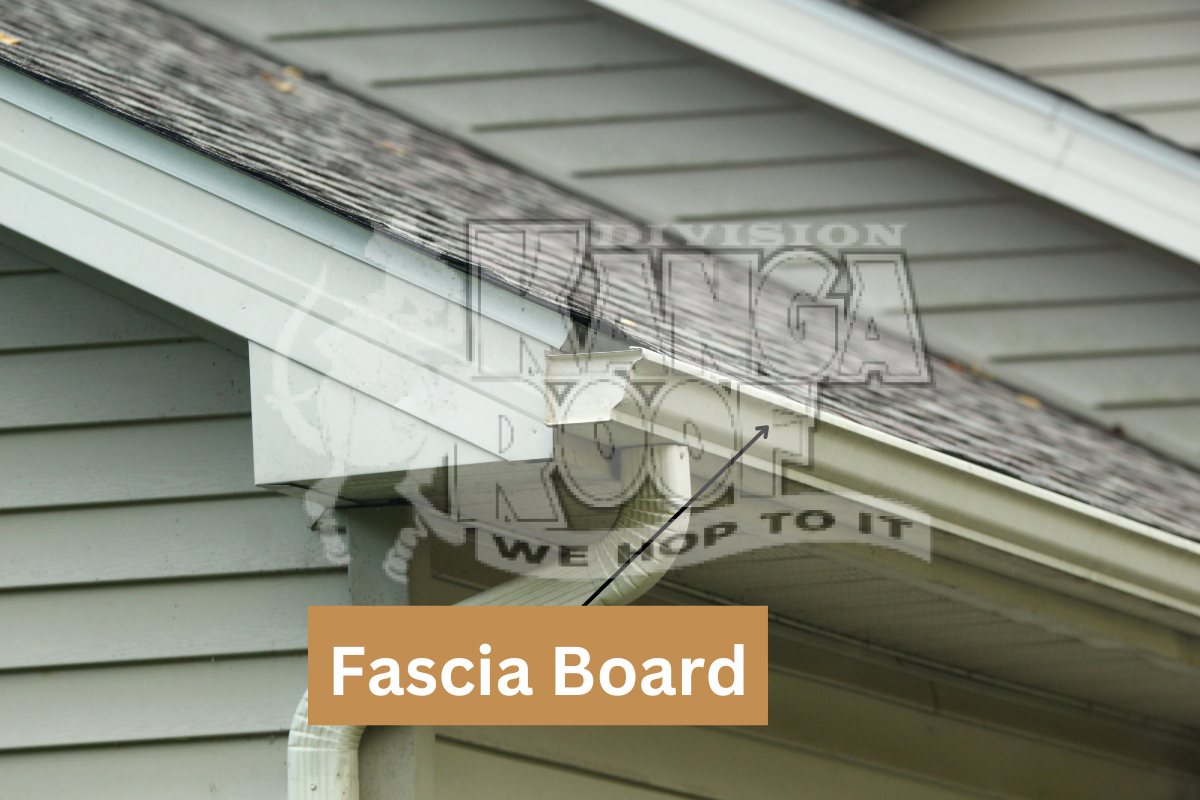
The fascia, or fascia board, is the horizontal band that runs along the edge of the roofline. These cover the ends of the rafters. Like the soffit, the fascia serves both functional and aesthetic purposes and we usually talk about both these components together.

The fascia board’s primary function is to provide support to the lower edge of the roof and hold up the gutters, helping to protect the roof and interior of the home from water damage.


What Are The Best Materials For A Soffit And Fascia?

Now that you know what both the soffit and fascia are and how crucial they are for your home, it’s time to move to the main point of our article. Both fascia boards and soffits can be made from a wide range of materials, each with its own features and limitations.

Below we have compiled a list of the best materials that will suit a range of homes:

Vinyl

Let’s start with one of the most common materials that both homeowners and contractors love to use: vinyl. This is a synthetic material made from polyvinyl chloride (PVC) and applies to a number of uses.

Since the material is widely available, vinyl is a popular choice for both soffits and fascia boards due to its affordability. At a low price, you can expect very good durability too.

Vinyl soffits and fascia boards also don’t rot, are resistant to insects, and make a practical option for areas prone to harsh weather conditions. Its lightweight nature also makes installation easier, saving you both time and money on labor costs.

Where this material excels is aesthetic value. Like vinyl siding that can be found in several beautiful colors, soffits, and fascia boards also come in a variety of styles and color options, allowing you to customize as per your preference. The colors are fade resistant too.

Also Read: On a Tight Budget? Try These 3 Cheap Siding Options Now!

Aluminum

Aluminum is an excellent metal that has surged in popularity over the years. Be it your roof, siding, or other parts of your home, aluminum is a great option! Since this material is known for its flexibility, it is the perfect choice for your home if the design of your roof is complex and has several turns in it.  Additionally, aluminum is easy to maintain and can withstand exposure to various weather conditions, making it a long-lasting investment for homeowners.

Wood:

For those seeking a more traditional look, wood soffits, and fascia boards offer a classic aesthetic that complements both classic and modern homes in Georgia.

Wood adds warmth and style to a home’s exterior, creating a timeless appeal. There are several types of wood used to make fascia boards, with some of the most popular options including cedar and redwood, which look beautiful and add a touch of sophistication to your curb appeal. Pine and fir are also used.

However, wood does come with its challenges. It requires regular maintenance efforts on the part of the homeowners. It’s also not cheap and is vulnerable to rot and moisture damage too. Regular inspections and treatments are necessary to prevent rot, decay, and insect infestations.

Even though it requires extra maintenance, many homeowners still appreciate the natural beauty and durability that wood fascia boards bring to their homes. If you can also be proactive, then you can install wood soffit or fascia boards.

Steel

Steel soffits and fascia boards offer unmatched strength and durability, making them ideal for areas with extreme weather conditions or high winds. Steel is resistant to rust and corrosion, ensuring long-term protection for your home. While it may be more expensive upfront compared to other materials, its longevity and low maintenance requirements make it a cost-effective option in the long run. Steel soffits and fascia are available in a variety of colors and finishes as well, allowing homeowners to customize their look in order to suit their preferences.

How Should You Choose The Right Material For You Soffit and Fascia?

Regular Inspections:

Regularly inspect your fascia board and soffit for any signs of damage. Look for areas where paint may be peeling or where the material appears warped or discolored. Early detection of issues can prevent them from worsening and causing further damage to your home.

Hire a professional when necessary, as a professional inspection can help identify any underlying issues that may require attention and ensure that your fascia and soffit are functioning properly to protect your home from moisture damage and other potential problems.

Keep Them Clean:

Keep your fascia board and soffit clean. Use a soft brush or cloth to gently scrub away any buildup, being careful not to damage the surface of the material. Regular cleaning helps prevent mold and mildew growth and maintains the appearance of your home’s exterior.

Repainting:

This is an important point if you have a wood or an aluminum soffit and fascia board. It’s important to repaint them every few years to protect the wood from moisture and UV damage. Choose a high-quality exterior paint that is specifically formulated for use on the material you have installed.

Repair And Replace Them As Needed:

If you notice that the soffit and fascia board are damaged, you must hire a professional to make repairs as soon as possible. This prevents issues from worsening over time and keeps the ventilation and gutter system maintained as well.

Best Soffit and Fascia Board Installation In Georgia

When it’s time to pick out materials for your soffits and fascia boards, it can feel overwhelming with all the options at hand. Take your time, and consider the needs of your home along with your personal preference to find the perfect fit for you.

If you are unable to decide on the right type of material, then we can help! At Division Kangaroof, we offer the best roof and home improvement services in the area. We have installed plenty of soffits and fascia boards in Gainesville and the surrounding areas of Georgia. Contact us today at (706) 903-9301 to speak with one of our professionals and find out how we can help you!

Do You Really Need Ridge Cap Shingles & How Are They Different?

Roofing shingles are one of the most common materials used to cover roofs, with more than 75% of homes in the U.S. using them. However, different shingles are used to cover the top of the roof; They are called ridge cap or hip and ridge shingles.

These might not be familiar to everyone, but they play a crucial role in keeping your roof strong and long-lasting. So, let’s take a closer look at why ridge cap shingles are important and how they stand out from the shingles adorning the roof surface.

What Is A Ridge Cap Shingle?

The ridge cap shingles are a type of roofing shingle that are specially designed to cover the ridge of your roof, also known as the peak. These look like regular shingles but are slightly shorter and are bent to cover the angle of the ridge.

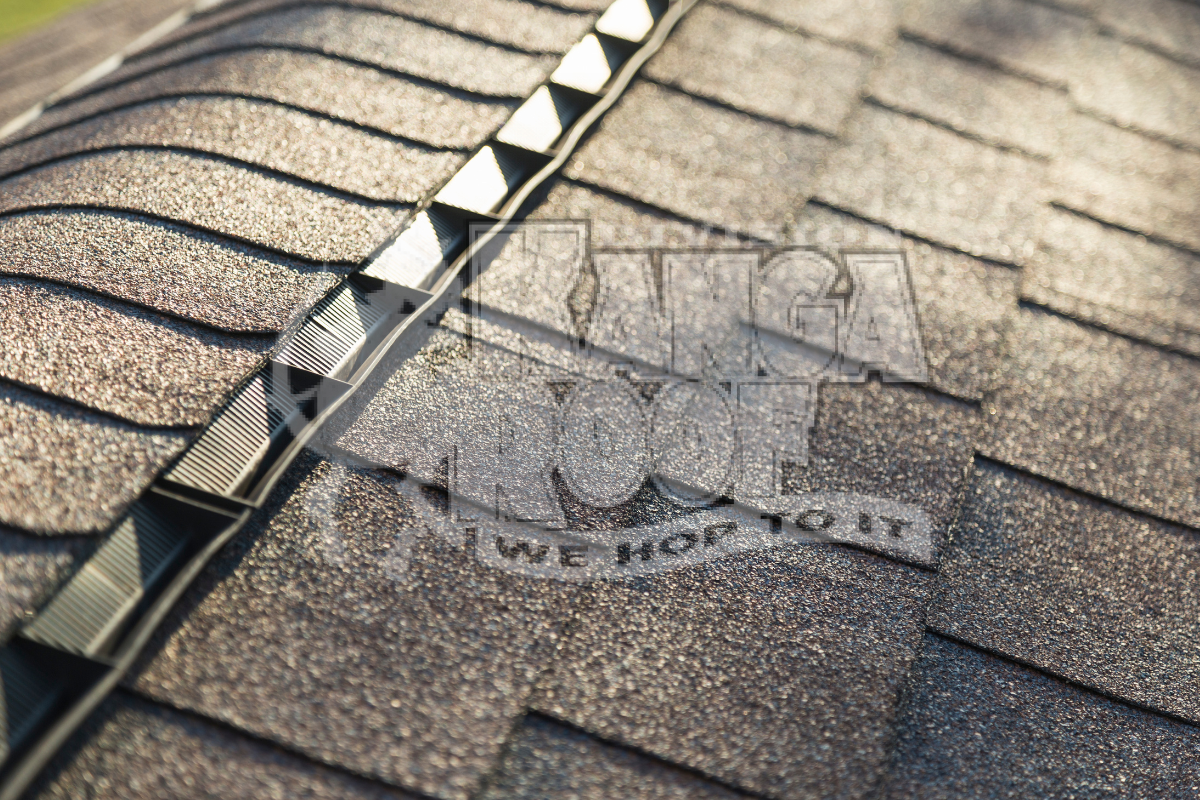
In the majority of pitched roof designs, such as gable or hip roofs, the sides come together at the roof’s peak. This is the area where you install a ridge vent for your roof. To cover the ridge vent, the ridge cap shingles are used.

Why Installing Ridge Cap Shingles Is Important For Your Roof (And Your Home)

In this section, we will cover why ridge cap shingles are important for your home. They serve multiple purposes and offer several advantages, making them an indispensable part of any roofing system. Let’s explore these benefits:

Protection Against Harsh Weather

We all know that our roofing system acts as the first line of defense against weather conditions. However, it’s often the ridge that experiences the initial damage. As the topmost part, it usually takes the first hit.

Ridge caps shingles serve as the initial barrier against the harsh Georgia climate, including rain, wind, and UV rays. By securely covering the ridge line, they effectively shield the vulnerable areas of your roof from damage.

This protection will not only extend the lifespan of the roofing materials but also protect the underlying materials such as underlayment and the rafters against moisture damage. With ridge caps in place, you can have peace of mind knowing that your roof will stand up against nature’s harshest forces.

Enhanced Durability

Ridge caps shingles are crafted from premium materials like asphalt, metal, or composite materials, all of which offer exceptional longevity and durability.

As their role is to protect the vulnerable ridge, they are engineered to endure the challenges posed by the environment. These shingles are built to last, and you can even expect them to be sturdy when your regular roof shingles start to wear out. When installed and maintained correctly, they can stand the test of time and be reliable alongside the rest of the roofing system. This means you will not have to worry about their condition and frequent repairs, making it a wise investment for any roofing project.

Protection Against Pests

When we talk about the ridge of the roof, rain and debris are not the only things you should worry about. Pests and insects can also get in through the ridge vents and other gaps, and they can create big problems once they reach your attic.

But if you have good quality ridge cap shingles, these annoying little pests will have a harder time infiltrating your home. The additional cover for your roof vent creates a deterrent for not only insects but also birds and rodents. By keeping pests at bay, ridge caps shingles help safeguard the insulation, wiring, and other crucial components of your roofing system. So, a ridge cap shingle can help you avoid costly repairs or replacements due to pest-related damage.

Create Cohesive Aesthetic

Properly installed ridge caps shingles do more than just protect, they enhance the visual appeal of the roof. By creating a clean and polished finish, they contribute to the overall aesthetic of your property. Ridge cap shingles also play a crucial role in ensuring a seamless transition between roof slopes.

Additionally, you have the option to match your ridge cap shingles with the other materials on your roof. Brands that manufacture ridge cap shingles also typically make roofing shingles, so you can select the same color. This will further enhance the continuity and beauty of the roofline.

Ridge Cap vs. Traditional Roof Shingles: How They Are Different

When it comes to roofing materials, both ridge caps and regular shingles play distinct roles in ensuring the overall appearance and functionality of your roof. But many homeowners treat them as just the same and, therefore, decide to install regular shingles over the peak of their roof. Let’s take a look at what makes ridge cap shingles different:

  • First things first, the ridge cap shingles are specifically designed to cover the ridge line where two slopes meet. Shingles such as 3-tab and architectural shingles are designed to cover the body of your roof and lay flat.
  • Now let’s talk about materials. Ridge caps are often made from the same materials as regular shingles however, they are smaller. Ridge cap shingles are only about half the size of a traditional asphalt shingle.
  • Apart from the smaller size, ridge caps are thicker than regular asphalt shingles. They are usually formulated with additional reinforcement for enhanced durability.
  • How they are installed is also different. Ridge cap shingles often come with better adhesion. This allows them to stay put on the ridgeline even if there are heavy winds in your area.
  • These are typically pre-bent or easily bendable to fit the contours of the roof ridge. On the other hand, if you install the regular 3-tab or architectural shingles over the peak, it is likely they will crack.

Best Ridge Cap Shingle Manufacturers For Your Roof

Look for the following names when you install ridge cap shingles:

GAF Ridge Cap Shingles

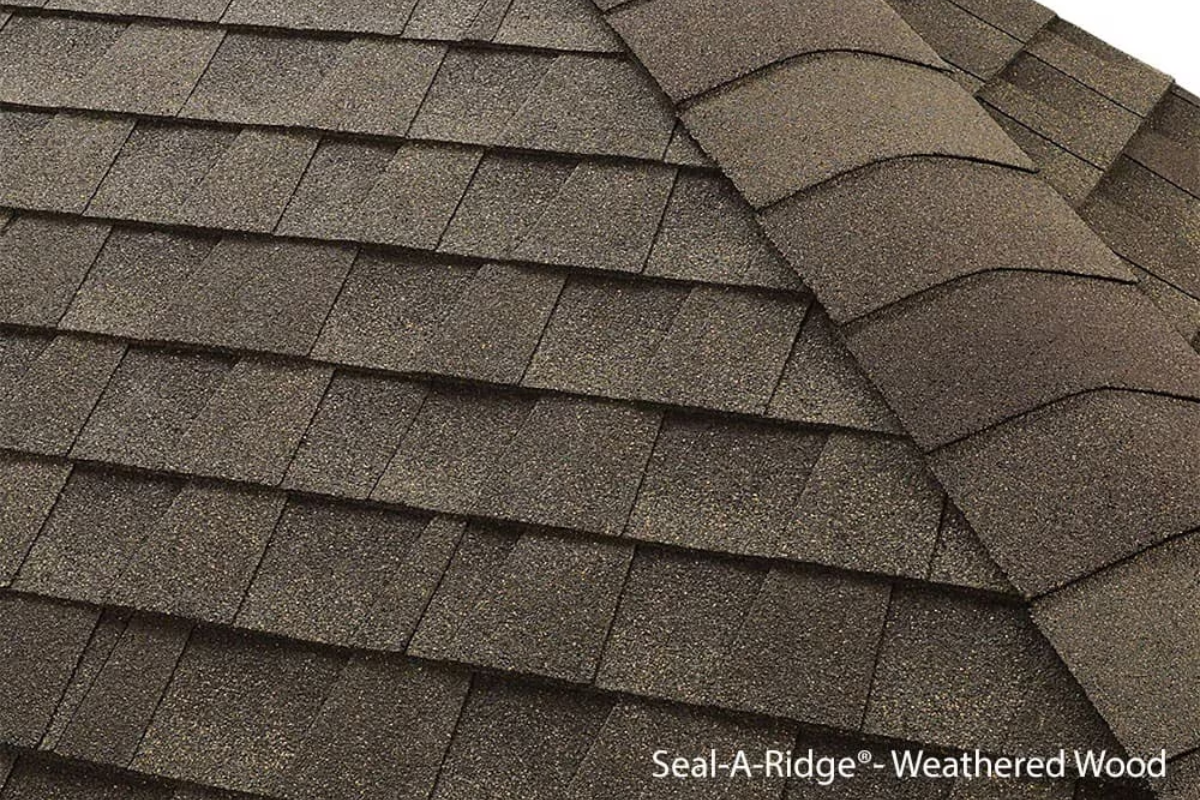
GAF is the leading manufacturer of asphalt shingles, and they don’t fall behind when it comes to ridge cap shingles. From the affordable Seal‑A‑Ridge® Ridge Cap shingles to the more premium TimberCrest® Premium SBS‑Modified Ridge Cap shingles, there are a wide range of choices. Also, there are several color options available.

GAF Seal-A-Ridge® Ridge Cap Shingles

Owens Corning Ridge Cap Shingles

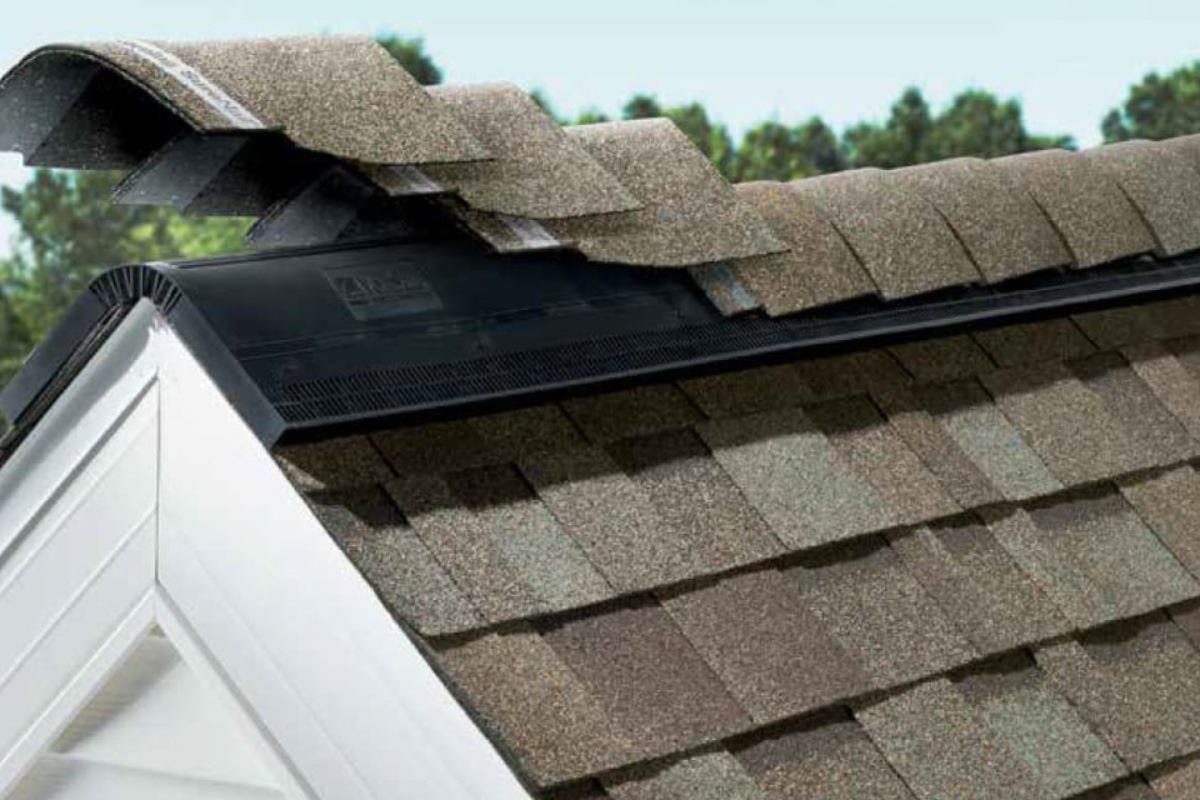
This premium shingle manufacturer makes its mark with the DuraRidge® Hip & Ridge Shingles. Just like their roof shingles, these come with enhanced SureNail® Technology and will match shingles in the TruDefinition® color range. So your roof ridge will not only look great but will also stay protected from heavy winds.

Owens Corning Ridge Cap Shingles

Note: Be it asphalt shingles or a metal ridge cap, make sure that it meets all the necessary building rules and regulations. To know more, read our guide: The Impact Of Local Building Codes On Roofing In Georgia

Get In Touch With Our Experts!

Ridge cap shingles play a vital role in protecting and enhancing the performance of a roofing system. If you are looking for someone that can install these shingles for you, then look no further than the team of Division Kangaroof.

We are the most reputable roofing company serving Gainesville and surrounding areas of Georgia. We specialize in new roof installations and roof replacements, including ridge cap shingle installations. Contact us today at (706) 903-9301 for a consultation with our experts.